
Can You Get in Shape Doing Only Kickboxing Classes?
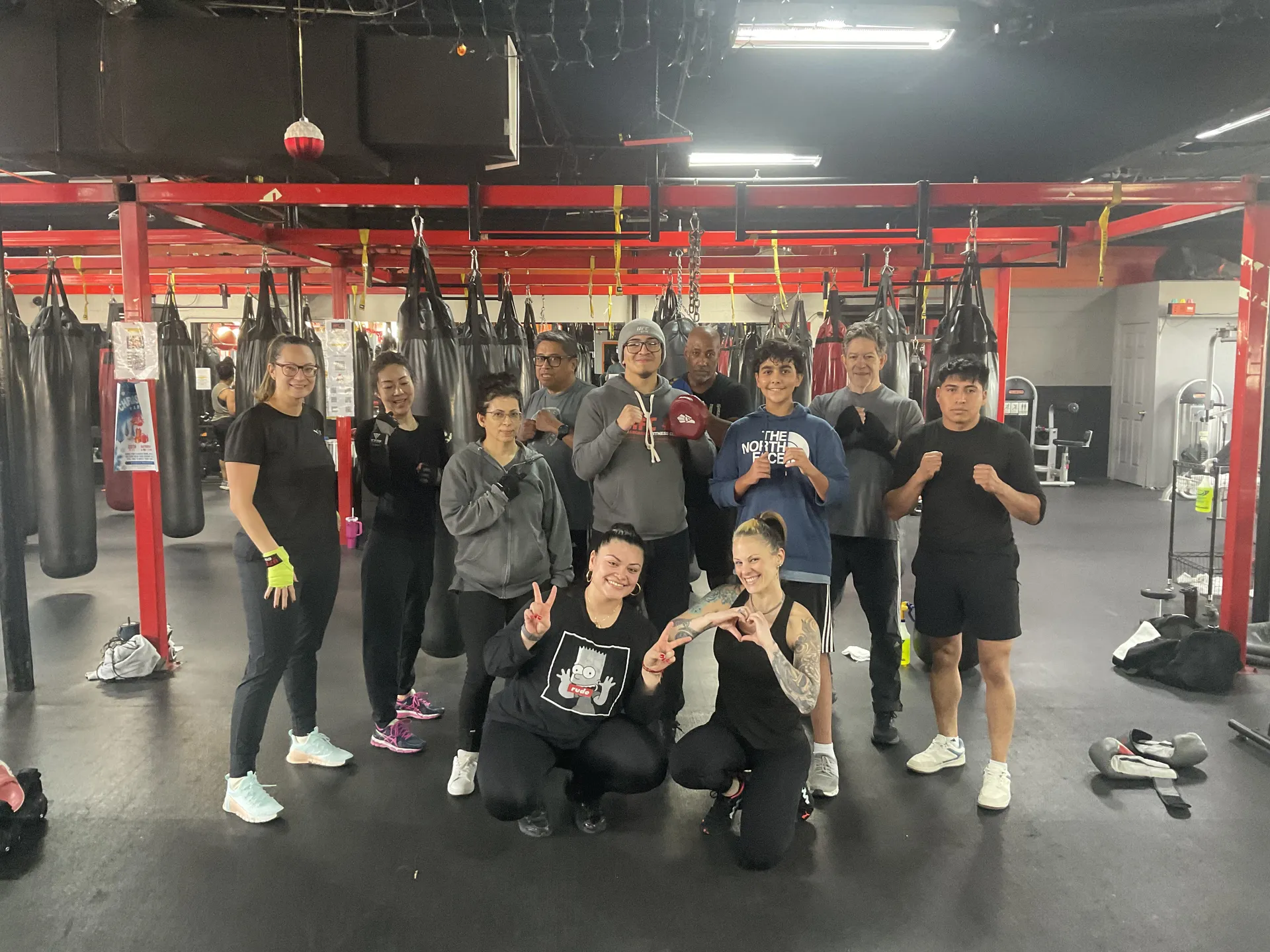
Yes, for most of what "in shape" means. Three or four kickboxing classes a week will build your cardio, conditioning, coordination and balance. Paired with a calorie deficit, they will also drive real fat loss. However, classes alone fall short on maximal strength, heavy leg work and the pulling muscles of your back, and they stall if the work never gets harder. Mamaroneck Fitness Club runs adult kickboxing classes in Mamaroneck alongside boxing, Muay Thai and general gym training. As a result, you can show up three or four times a week and close those gaps without a second membership.
Can you get in shape doing only kickboxing classes? Yes for cardio and fat loss, no for maximal strength
The clearest way to judge "only" is against the federal yardstick. The federal physical activity guidelines for adults set two separate targets: a weekly total of aerobic work, at least 150 minutes at moderate intensity, and strength work spread over two or more days. A steady kickboxing schedule clears the aerobic target with room to spare. The strength target is where "only" gets shaky, because rounds on the bag work your muscles but rarely load them heavily enough to count as real strength training.
That gap matters because the guidelines recommend combining both kinds of activity to get the full range of health benefits. Those benefits include help controlling body weight, blood pressure and blood sugar, plus a lower risk of heart disease, type 2 diabetes and some cancers. Kickboxing gets you most of the way there. Here is how each goal scores:
| Goal | Kickboxing classes alone | Smallest add-on that closes the gap |
|---|---|---|
| Cardio | Strong | None needed |
| Fat loss | Strong, with a calorie deficit | Eating that supports your training |
| Coordination and balance | Strong | None needed |
| Core | Strong (rotation and bracing on every strike) | None needed |
| Upper-body endurance | Strong | None needed |
| Maximal strength | Weak | Two short strength sessions a week |
| Lower-body strength | Partial (stance and kicks, no heavy loading) | Squats, lunges and hinges |
| Pulling muscles | Weak (punching is all pushing) | Rows and band pull-aparts |
| Mobility | Partial (kicking demands it, volume tightens hips) | A short mobility routine |
The pattern is simple. Kickboxing handles your engine, your coordination and your waistline. On the other hand, it leaves your back, your legs under load and your top-end strength underfed.
Bag-based fitness classes and technique-driven classes build different kinds of fit
Once you know kickboxing covers the cardio side, the next question is which kind of class you're actually taking, because the format decides how much fitness you get. Two classes can both say "kickboxing" on the schedule and leave you in very different shape.
Bag-based fitness classes run on intervals. You throw combinations on the heavy bag for a round, then drop for push-ups or sprawls, then go again. As a result, your heart rate stays high for most of the hour and you walk out soaked. Technique-driven classes, by contrast, slow down. You drill footwork and stance, work combinations on pads with a partner, and the coach stops the room to fix your guard. The intensity is lower and steadier, but your balance, timing and clean punches improve much faster. For the deeper breakdown, see how Muay Thai and kickboxing training compare.
That difference in intensity also answers a common question: how many calories does a kickboxing class burn? The honest answer is that it depends on the format, your body size and how hard you actually work, so anyone quoting one number for every class is guessing. A better gauge is effort. One minute of vigorous activity generally counts about the same as two minutes of moderate activity, which means a hard bag class counts roughly double toward your weekly target. A technique night counts less. Even so, it builds the skill that lets you work harder on the bag, so the best week has both.
How many kickboxing classes a week to see results: three to four that keep getting harder
With the format settled, the number of classes becomes the main dial. Three to four kickboxing classes a week is the range that produces visible results for most adults. Two is a good start for the first couple of weeks if you're coming off a long break. Five or more, however, usually piles on fatigue faster than it adds fitness for a beginner.
Change on the conditioning side can show up quickly. For example, a 2026 randomized controlled study in young boxers reported significant gains in estimated VO₂max and lung function over a 4-week intervention. Those athletes were young and already training, so treat the result as a sign of what consistent boxing-style work can do, not a promise for every beginner. The same study also found that adding HIIT boxing did not produce a statistically better VO₂max gain than conventional boxing training. In other words, regular classes, done consistently, did the job.
Frequency only pays off if the work keeps climbing, though. Your body adapts to whatever you ask of it, so the class that wrecked you in week one feels routine by week six. If you give it the same effort from then on, results flatten out. That is where most kickboxing-only routines stall: not because the classes stop working, but because the person stops pushing them. You can progress inside class without adding anything else:
- Harder rounds. Throw more strikes per round and cut the pauses where you catch your breath.
- Cleaner combinations. Add a third and fourth strike, then add a pivot or a step-out at the end.
- Higher pace on the bag. Keep your output up in the last round, not just the first.
- Partner drills. Pads and partner work make you react to someone else's rhythm, which is harder than hitting a bag that never moves.
- Tracking. Jot down rounds, combinations and how you felt after class, because progress you can see is progress you keep chasing.
Ask your coach which one to push next. Putting frequency and progression together, here's a realistic plan and what typically changes:
| Stage | Weekly plan | What typically changes |
|---|---|---|
| Weeks 1-4 | 2-3 classes, mixing bag and technique nights; one short mobility session | Conditioning improves; recovery between rounds gets faster; stance and guard start to feel natural |
| Weeks 5-8 | 3-4 classes; add two short strength sessions | Combinations get cleaner; you hold pace through later rounds; footwork stops needing conscious thought |
| Weeks 9-12 | 3-4 classes with harder rounds and partner drills; strength and mobility continue | Body composition changes show if your eating supports them; clothes fit differently; you push the pace instead of surviving it |
Treat that as your kickboxing for weight loss timeline. The scale often lags behind the conditioning gains, and that's normal. Because Mamaroneck Fitness Club keeps classes and gym training under one roof, a class night and a short open-gym session can happen in the same visit. Check what's included with a membership when you plan your week.
Is kickboxing enough to build muscle? Two short strength sessions and a mobility routine close the gaps
Kickboxing builds muscular endurance, but it is not enough to build serious muscle or strength on its own. Fortunately, the fix is smaller than most people expect. The two strength days the federal guidelines ask for can be as simple as push-ups, bands or free weights, so two short sessions cover the three gaps from the scorecard.
Keep each session tight: a squat or lunge, a hip hinge like a deadlift or kettlebell swing, a row, and a push-up or press. A few hard sets of each is plenty. Of those, the row matters most for strikers, because punching trains everything in front and nothing behind. Rows and band pull-aparts therefore balance your shoulders and help you hold your guard up late in a round. If you're new to the weight room, start with a couple of short free-weight sessions and build from there.
Strength work is getting more attention at the federal level too. HHS is developing supplemental guidance on step counts and muscle-strengthening activity for release in 2027, while the current guidelines remain the basis. Still, you don't need a full lifting program. You need two short sessions, with kickboxing doing the heavy lifting on everything else.
Strength covers what kickboxing misses, but training one sport carries a second cost: the same movements, repeated thousands of times. For that reason, injury risk in a kickboxing-only routine rarely comes from one bad kick. It builds up from overuse. Round kicks load the hips over and over, and tight hip flexors start to pull on your lower back. High punching volume makes shoulders cranky, especially when the pulling muscles above are weak. Fatigue then adds a third problem. When you're gassed, your guard drops, your stance narrows and your technique gets sloppy, which is when knees and shoulders take bad angles.
The answer is short and regular. Never skip the warmup, and treat it as prep for the exact positions you'll use. Then add ten to fifteen minutes of mobility work built for strikers a few times a week, focused on hip openers, thoracic rotation and shoulder work. Consistent practice beats one long stretch session on Sunday.
Showing up gets you in shape, and a fun room keeps you showing up
Every section above depends on one thing: actually being in the room three or four times a week, for months. Format, progression, strength sessions and mobility only work if you keep coming back. Most people who quit don't quit because the program was wrong. Instead, they quit because training felt like a chore they did alone.
That's why the room itself matters as much as the plan. Mamaroneck Fitness Club is a gritty gym that also happens to look good, and its room is loud in the best way. The coaches there know your name and notice when your footwork gets sharper. Training partners hold pads for you, talk trash between rounds and expect you back on Thursday. As a result, people come for a workout and stay for the crew. That's how real confidence gets built: one round, one class and one familiar face at a time.
Kickboxing classes in Mamaroneck, NY are the easiest way to test everything in this piece. Bring sneakers, wraps if you have them and some water. Then come try a class, meet the crew and see how fast showing up turns into a habit.
FAQ
Is kickboxing for beginners safe if i've been inactive for a while?
Yes, with a gradual start. Begin with two classes a week and work at a pace where you can still breathe through your nose between rounds. Focus on stance, guard and clean technique before speed. Tell the coach you're returning from a break so they can scale drills for you. If you have a heart condition or other health concern, check with your doctor before starting.
Should I add running to my kickboxing classes?
You don't need to, because three to four classes already cover the aerobic target for most adults. Running helps if you enjoy it, if you're preparing for competition or if you want an easy recovery session on off days. If time is limited, however, spend it on two short strength sessions first. That fills a bigger gap than extra cardio.
Will kickboxing classes alone tone my legs?
Partly. Stance work, footwork and kicking build leg endurance and some shape, especially in the hips and calves. However, they don't load your legs heavily enough to build much strength or muscle. Adding squats, lunges and a hip hinge twice a week makes a visible difference, and stronger legs also make your kicks sharper and your balance steadier.
Do I need to track calories to lose weight with kickboxing?
Not necessarily, but your eating has to support a calorie deficit. Some people manage that by cleaning up meals and portions; others prefer tracking for a few weeks to learn what they actually eat. Kickboxing builds conditioning and burns energy, but fat loss stalls if you eat back everything you burn. So pick the approach you can stick with.